Most Popular
Same Day Delivery
Express delivery courier services available 24/7 for urgent packages.
Learn More
The Lifeline of Healthcare Logistics In the high-stakes world of medical deliveries, there is no room for error. Every package, whether it's a batch of pharmaceuticals, a blood sample, or a critical p...
Every Bocsit medical delivery includes a full chain-of-custody record: pickup timestamp, courier ID, seal integrity confirmation, and a timestamped digital proof of delivery with photo capture. These records are stored in your customer account and meet requirements for laboratory accreditation, insurance billing, and regulatory compliance.
Yes. Bocsit transports temperature-sensitive medical specimens including blood, urine, tissue, and dry-ice packed biological materials. Our drivers follow cold-chain protocols to maintain specimen integrity from pickup through delivery at reference laboratories, hospitals, or research facilities.
Yes. All Bocsit medical couriers are trained in HIPAA compliance, OSHA bloodborne pathogen procedures, and proper biohazardous material handling. We carry all required certifications and operate under strict confidentiality protocols for healthcare providers throughout Massachusetts.
Bocsit serves hospitals, physician practices, clinical laboratories, urgent care centers, fertility clinics, oncology centers, biotech companies, pharmaceutical firms, and academic research institutions throughout Greater Boston — including Massachusetts General, Brigham and Women's, Beth Israel Deaconess, and dozens of independent labs across eastern Massachusetts.
Absolutely. Many laboratories across Massachusetts use Bocsit for daily scheduled specimen pickup routes — visiting physician offices, urgent care centers, and clinics at fixed times each morning. We assign a dedicated driver so your facilities always know who to expect and when.

Fast, vibrant, and reliable logistics tailored to your business. Experience the power of premium same-day delivery with BOCSIT.
* This field is required
* This field is required
* This field is required
Simple, transparent, and fast. Get your package delivered in 4 easy steps.
Get a quick quote and schedule pickup in minutes.
Our professional courier arrives at your location.
Follow your package every step of the way.
Digital proof of delivery & signature confirmation.
Comprehensive logistics and delivery solutions designed to keep your business moving.
Express delivery courier services available 24/7 for urgent packages.
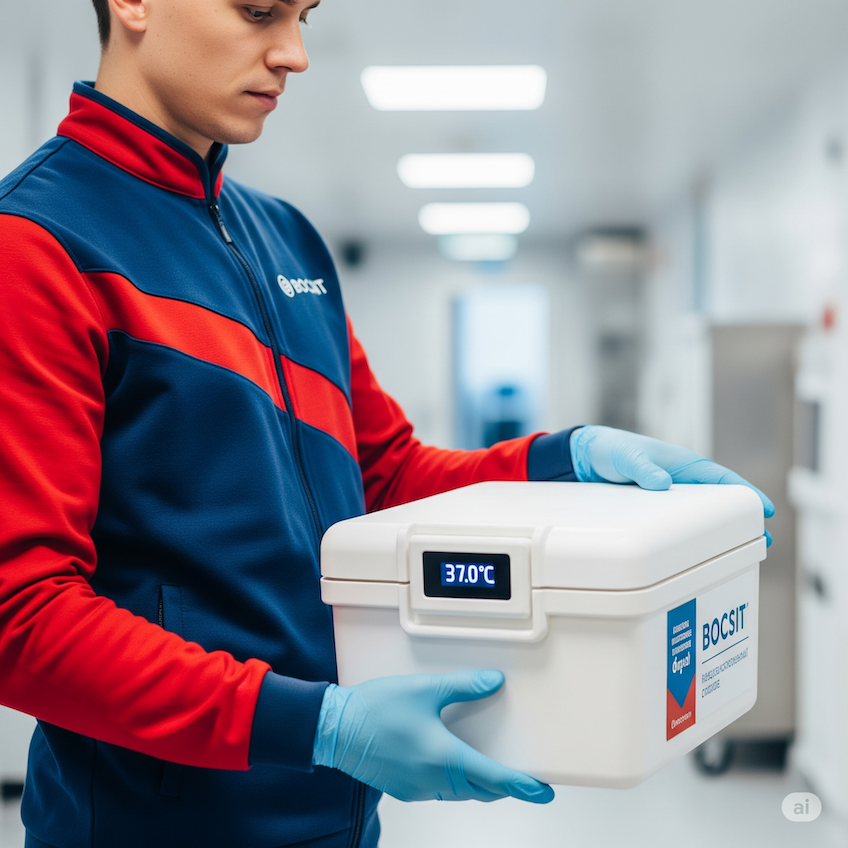
Dedicated stat laboratory specimen and medical equipment delivery.
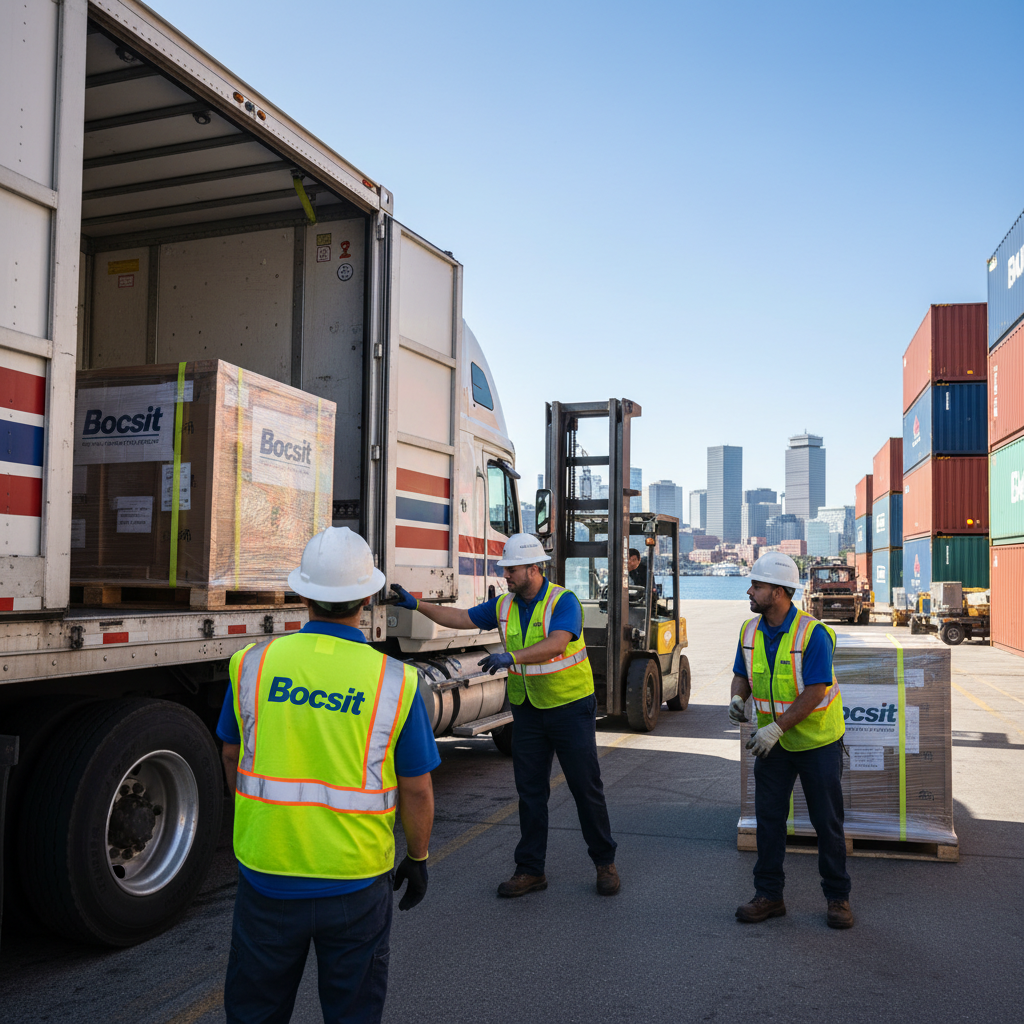
Optimized supply chain management and distribution solutions.
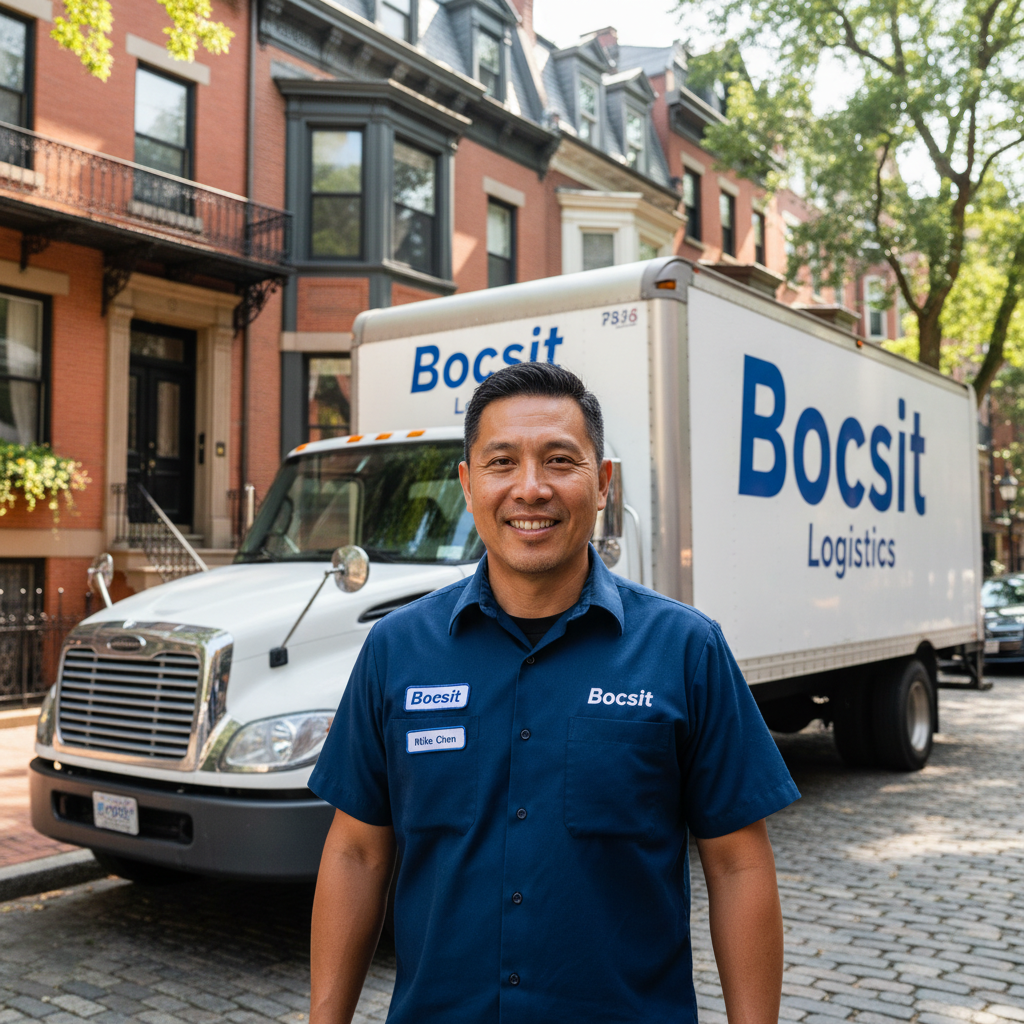
LTL trucking service and last mile delivery for larger freight.
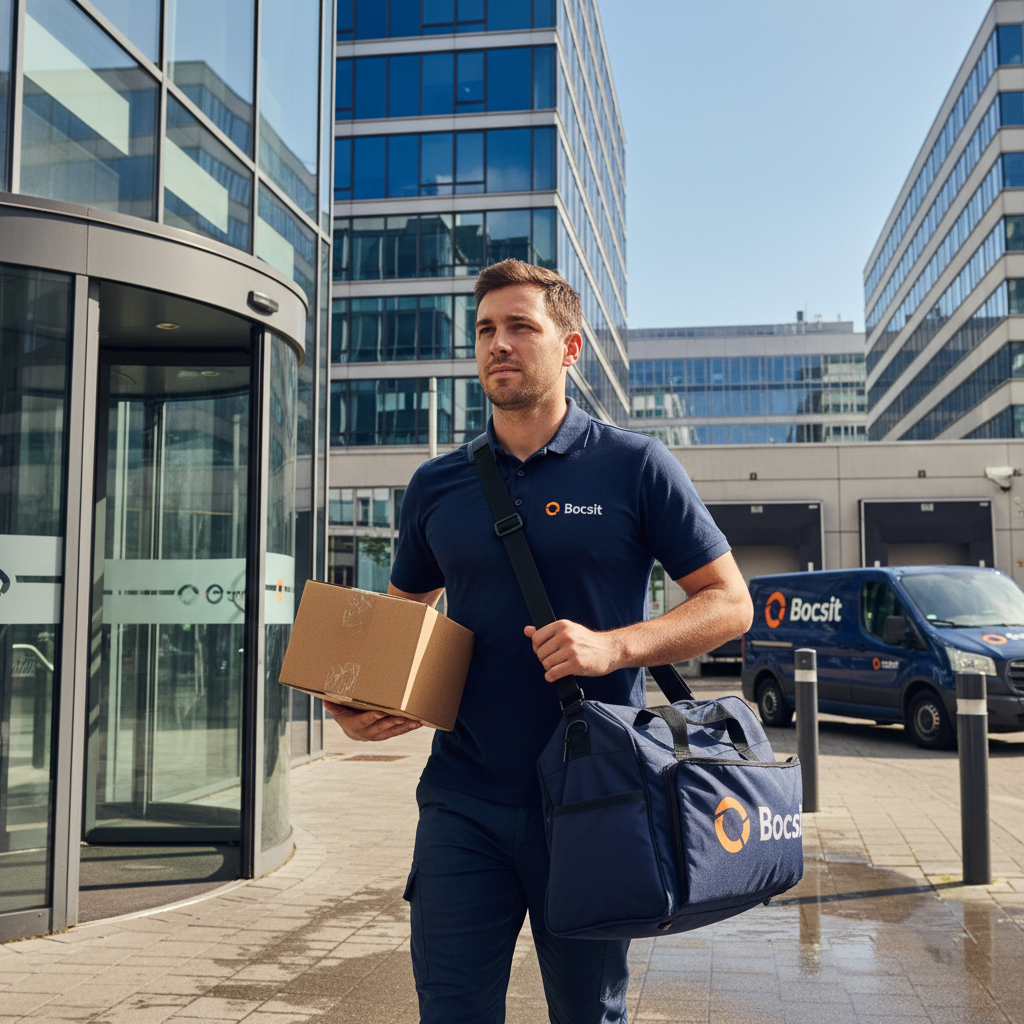
Dedicated scheduled, multi-stop fleet delivery services.
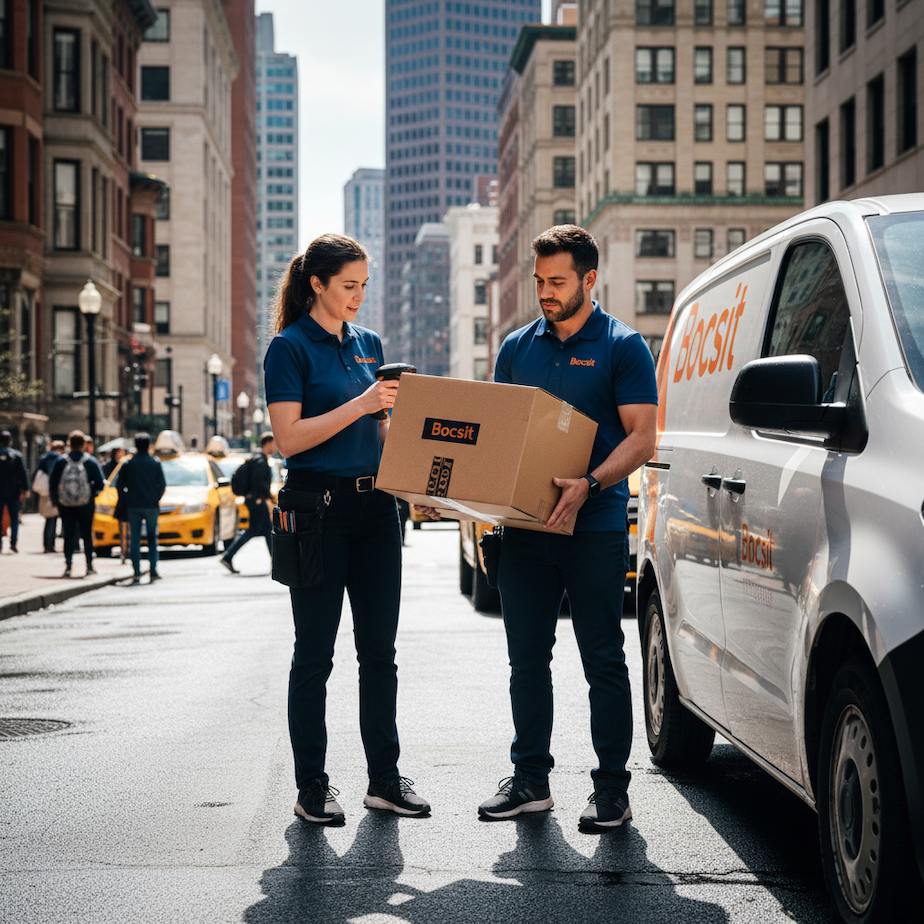
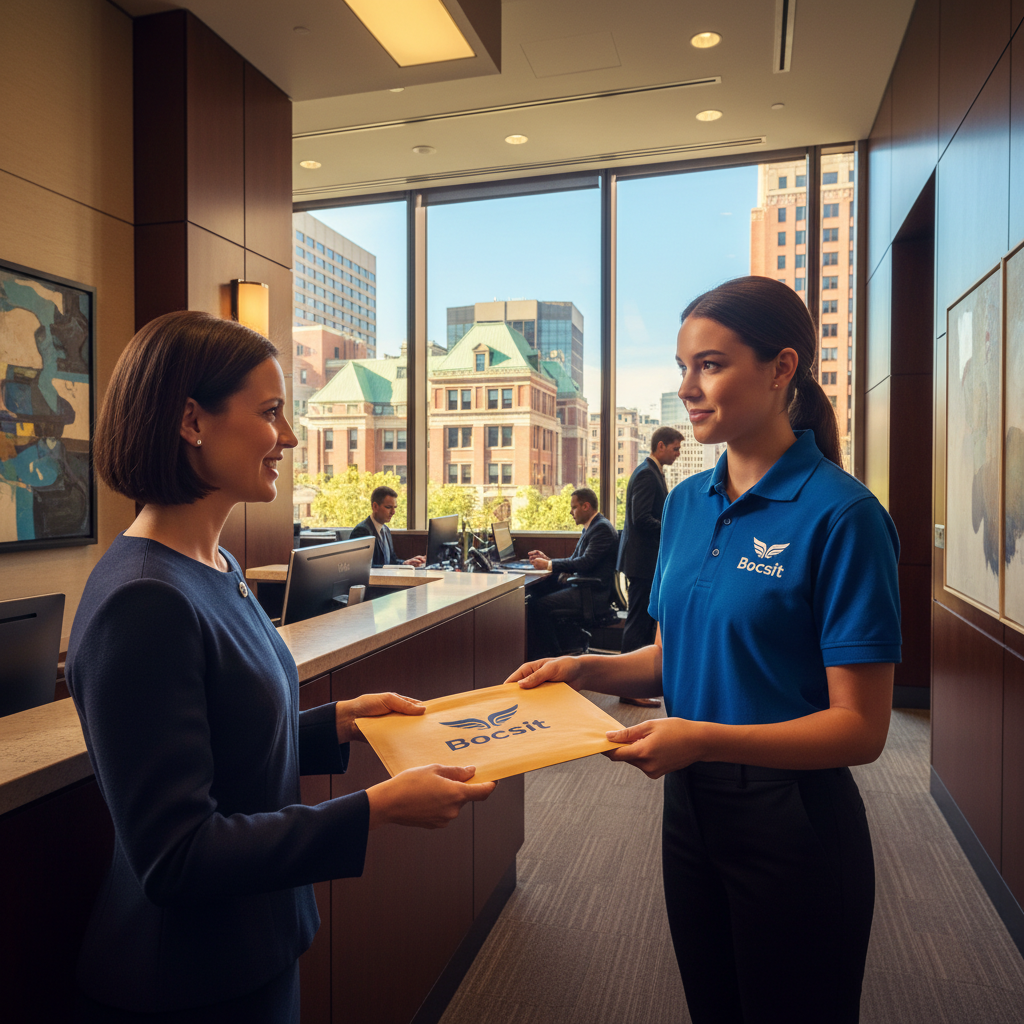
Reliable hand-delivered documents and packages across the city.
Deliveries Completed
Satisfied Customers
Trusted by businesses across Boston for reliability and speed.
"Needed a package picked up from Boston to Cambridge within a few minutes. I've never needed a courier before. Quick to set up the account, intuitive. Service was fast, good communication, worked really well."

"Wow! Finally a decent courier service. I have had numerous packages delivered by Bocsit couriers, they are always on time! Some of my packages were actually delivered sooner than quoted."

"Picked up in the morning, and it took less than an hour to deliver specimens from Cambridge to Worcester. Our research company has had many great experiences with their service."

"Reliability is key for our supply chain, and Bocsit delivers every single time. Their tracking system is top-notch and the drivers are always professional."

"We deal with sensitive legal documents that need to be in court by specific times. Bocsit has never let us down. The peace of mind they provide is invaluable."
News, trends, and logistics tips from our experts.
Learn about Bocsit courier services

Joi
Online · here to help
Hi, I'm Joi, Bocsit's AI delivery concierge. I can help with questions about delivery services, pricing, booking, or tracking.
We use cookies to improve your experience. Essential cookies keep the site working. Analytics cookies help us understand usage. Advertising cookies support our services. You can customize your preferences below. Learn more