Most Popular
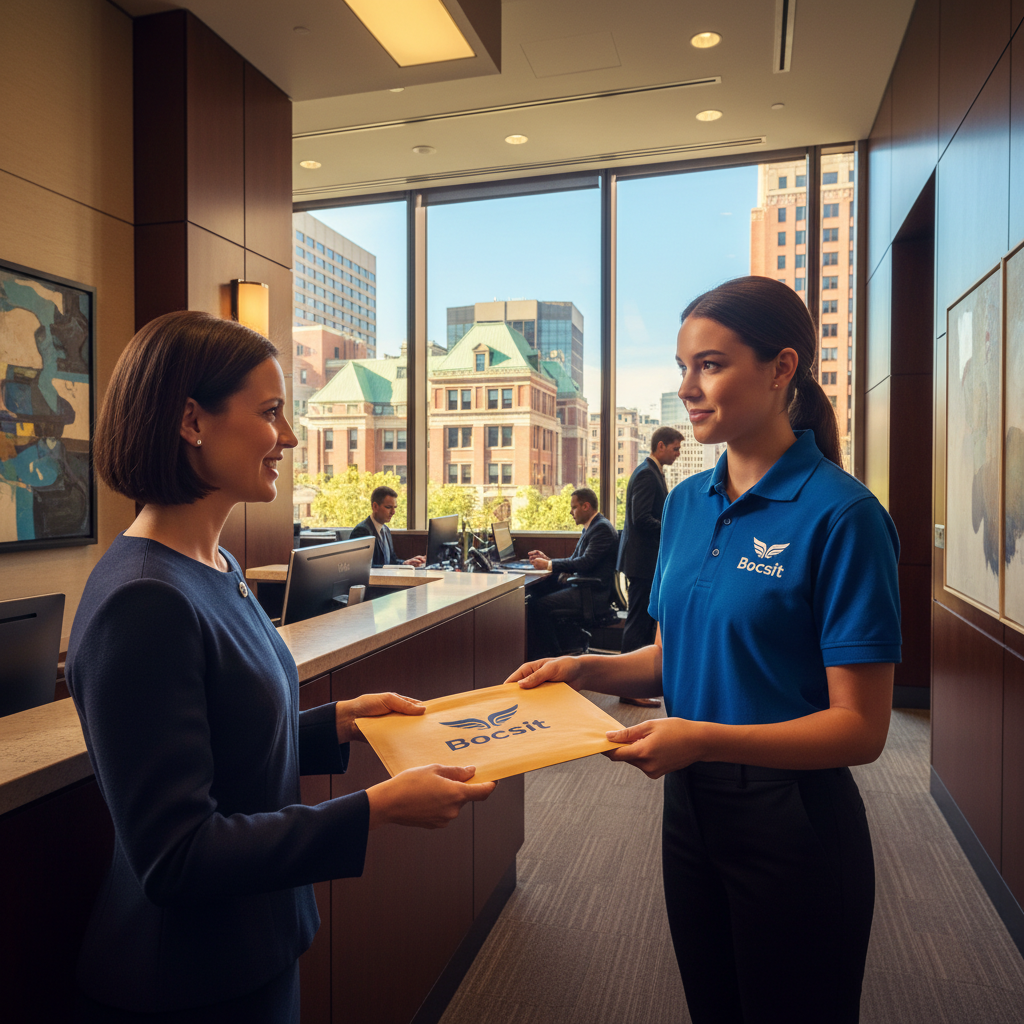
Same Day Delivery
Express delivery courier services available 24/7 for urgent packages.
Learn More
In the rapidly transforming world of healthcare, the introduction of Direct-to-Patient (DTP) logistics marks a revolutionary shift, redefining conventional healthcare delivery methods. This groundbrea...
There is no minimum delivery size — Bocsit delivers single envelopes, small packages, and multi-pallet freight. However, truck deliveries have a $275 minimum and cargo van deliveries have a $175 minimum. Car courier deliveries have no minimum beyond the $30 base rate.
Bocsit delivers throughout all of Massachusetts and into neighboring New England states including Rhode Island, Connecticut, New Hampshire, Vermont, and Maine — all same-day. For urgent deliveries, we also run to New York same-day with early morning pickup.
Use a car courier for documents, small packages, and single boxes. Choose a minivan for medium boxes and up to 250 lbs. Select a cargo van for larger loads up to 1,000 lbs. Book a straight truck or box truck for pallets, furniture, and freight. Bocsit's quote tool recommends the right vehicle automatically.
Bocsit delivers documents, legal filings, medical specimens, pharmaceuticals, electronics, auto parts, office supplies, retail merchandise, marketing materials, and more — virtually any non-hazardous item. We carry items ranging from a single envelope to a full pallet of freight.
Yes. Every Bocsit delivery includes live GPS tracking accessible via SMS link or customer portal. You see your driver's location in real time, receive notifications at pickup and delivery, and get a digital proof of delivery with timestamp and photo automatically after each completed delivery.

Fast, vibrant, and reliable logistics tailored to your business. Experience the power of premium same-day delivery with BOCSIT.
* This field is required
* This field is required
* This field is required
Simple, transparent, and fast. Get your package delivered in 4 easy steps.
Get a quick quote and schedule pickup in minutes.
Our professional courier arrives at your location.
Follow your package every step of the way.
Digital proof of delivery & signature confirmation.
Comprehensive logistics and delivery solutions designed to keep your business moving.
Express delivery courier services available 24/7 for urgent packages.
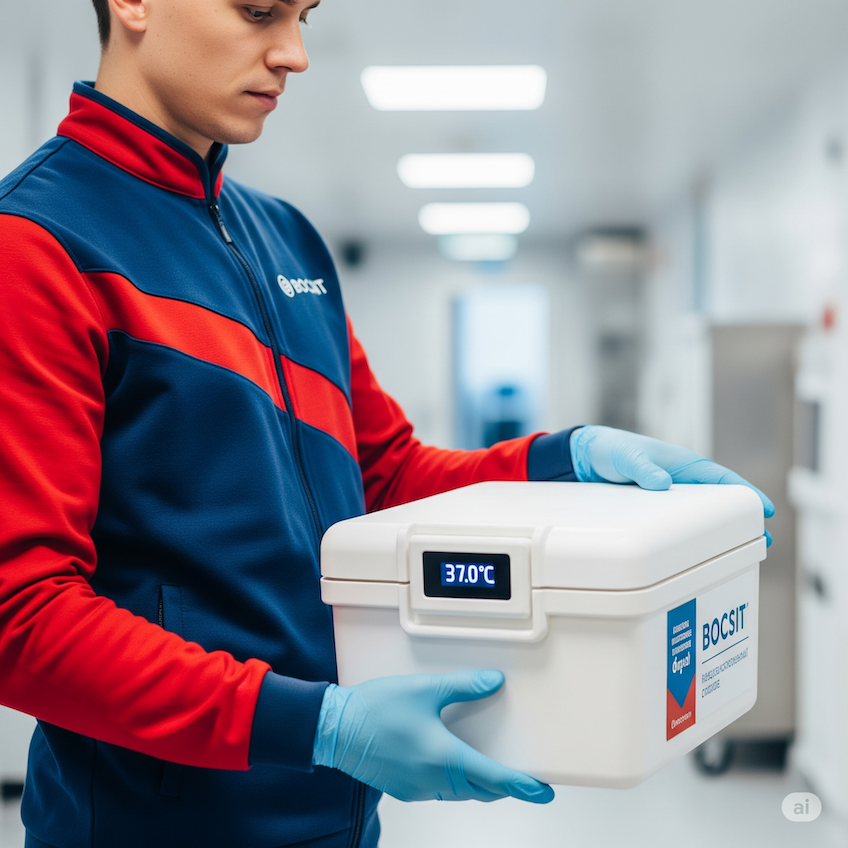
Dedicated stat laboratory specimen and medical equipment delivery.
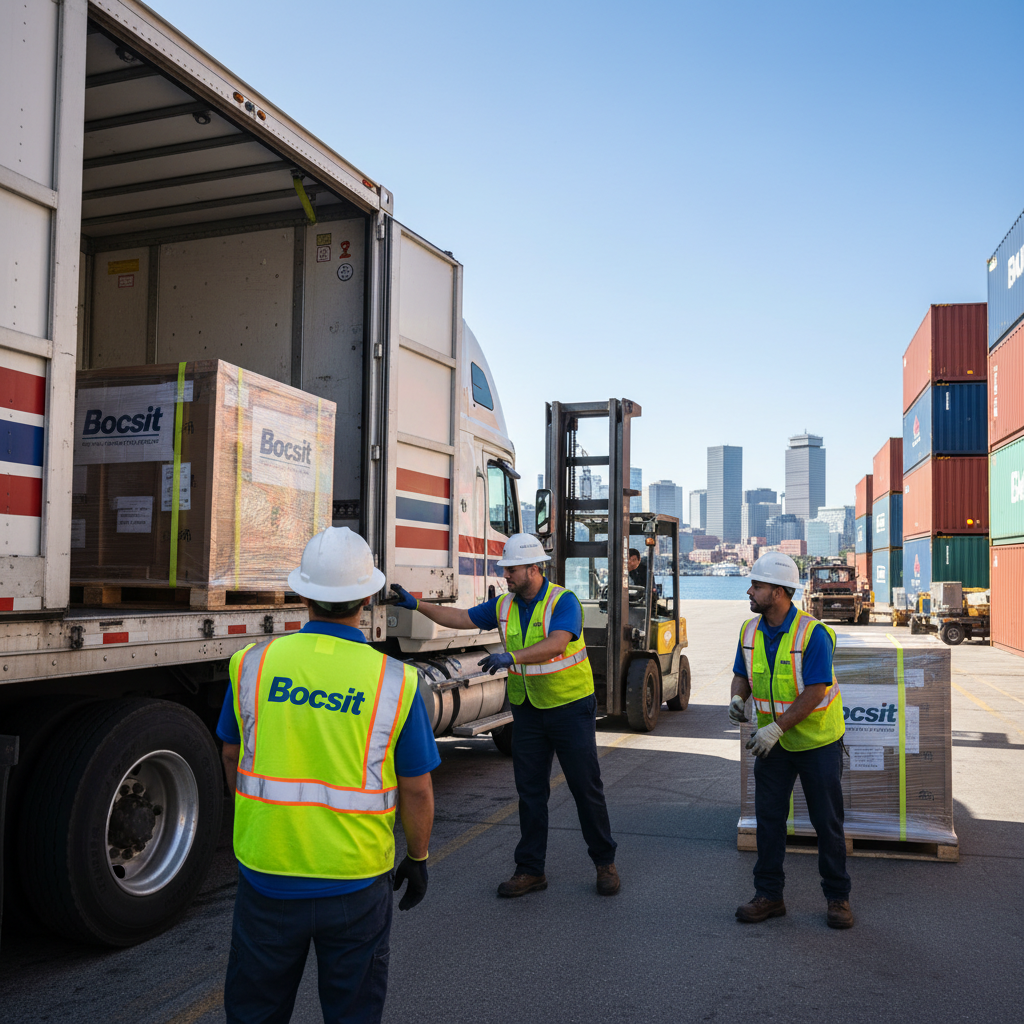
Optimized supply chain management and distribution solutions.
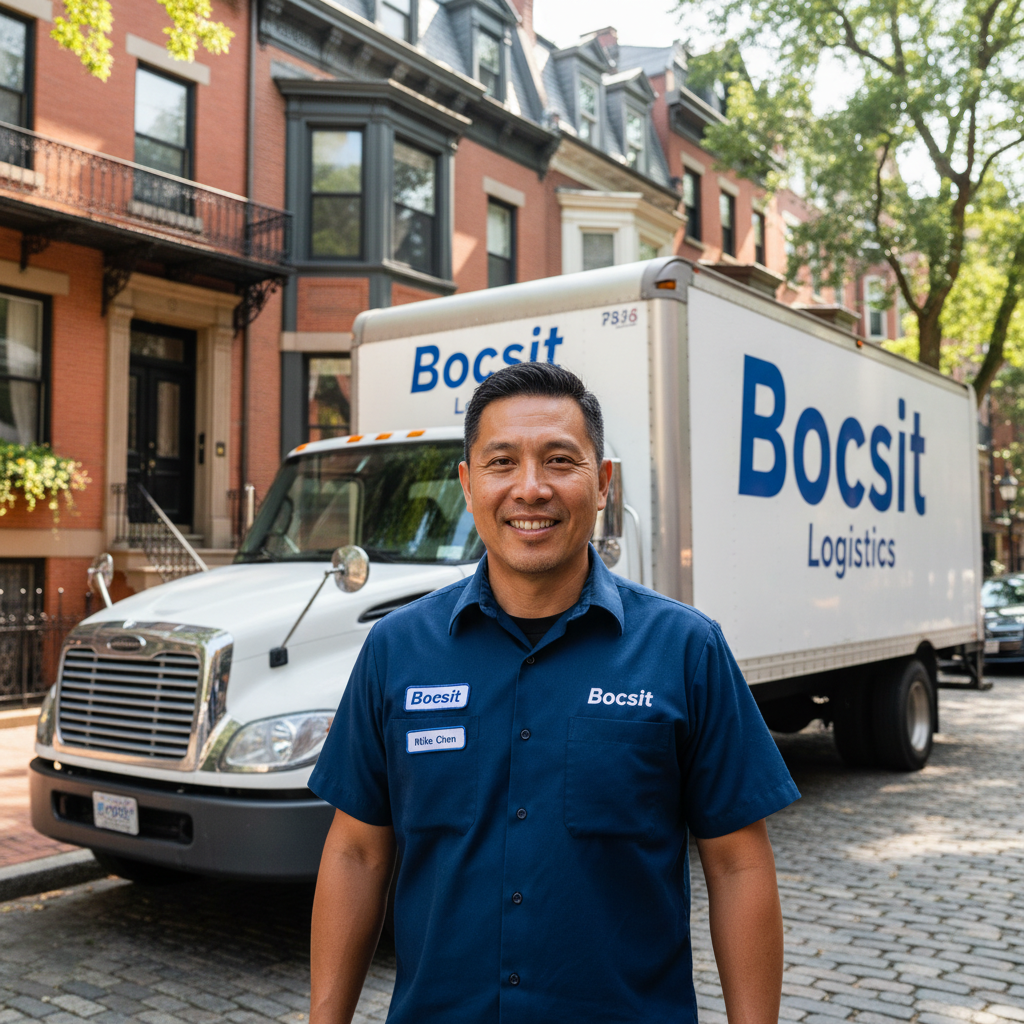
LTL trucking service and last mile delivery for larger freight.
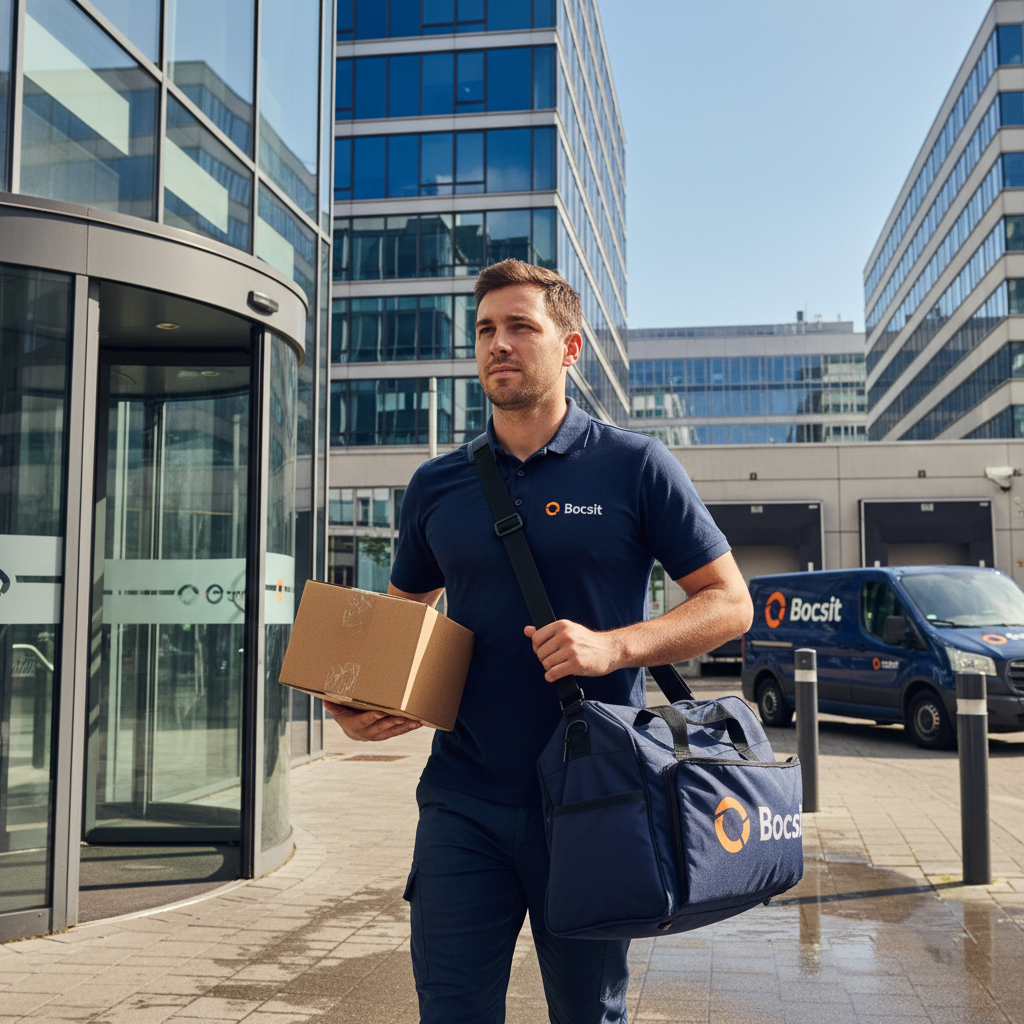
Dedicated scheduled, multi-stop fleet delivery services.
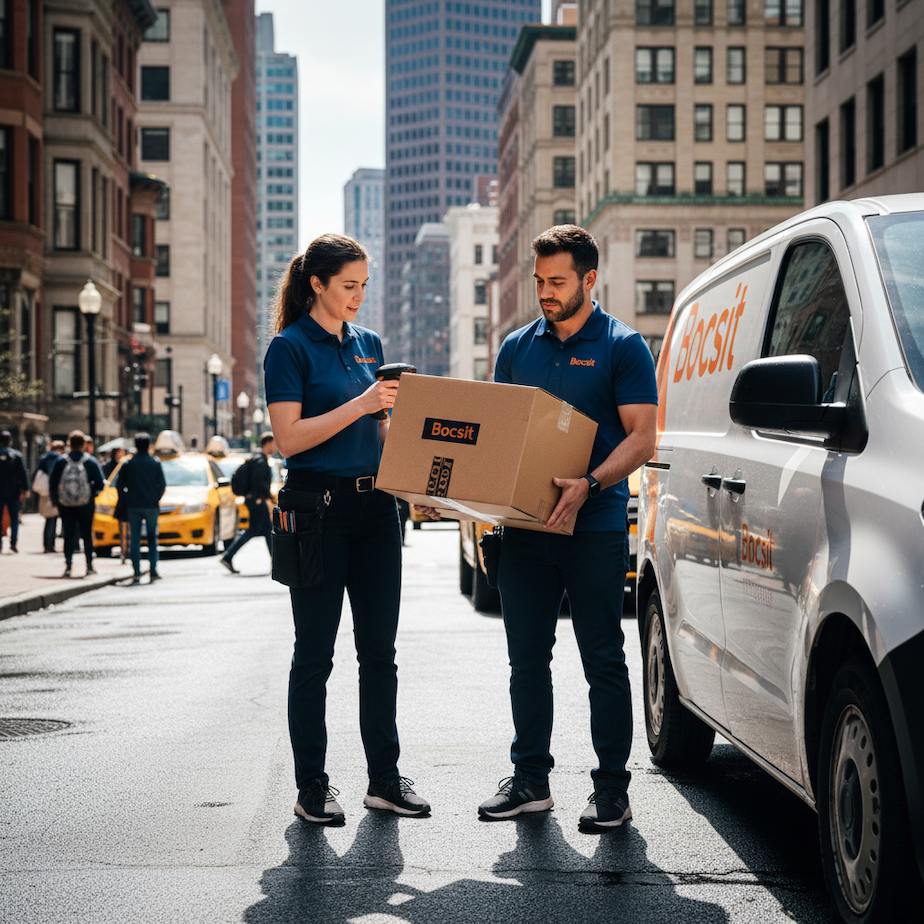
Reliable hand-delivered documents and packages across the city.
Deliveries Completed
Satisfied Customers
Trusted by businesses across Boston for reliability and speed.
"Needed a package picked up from Boston to Cambridge within a few minutes. I've never needed a courier before. Quick to set up the account, intuitive. Service was fast, good communication, worked really well."

"Wow! Finally a decent courier service. I have had numerous packages delivered by Bocsit couriers, they are always on time! Some of my packages were actually delivered sooner than quoted."

"Picked up in the morning, and it took less than an hour to deliver specimens from Cambridge to Worcester. Our research company has had many great experiences with their service."

"Reliability is key for our supply chain, and Bocsit delivers every single time. Their tracking system is top-notch and the drivers are always professional."

"We deal with sensitive legal documents that need to be in court by specific times. Bocsit has never let us down. The peace of mind they provide is invaluable."
News, trends, and logistics tips from our experts.
Learn about Bocsit courier services

Joi
Online · here to help
Hi, I'm Joi, Bocsit's AI delivery concierge. I can help with questions about delivery services, pricing, booking, or tracking.
We use cookies to improve your experience. Essential cookies keep the site working. Analytics cookies help us understand usage. Advertising cookies support our services. You can customize your preferences below. Learn more