What Trucking Options Exist in Greater Boston, Massachusetts? Expert Breakdown 2026

By Tony Murphy | Share this blog
What Trucking Options Exist in Greater Boston, Massachusetts? Expert Breakdown 2026

Navigating the bustling landscape of Greater Boston, Massachusetts, requires understanding the diverse array of trucking options available in 2026. Residents and businesses alike face unique logistical challenges in neighborhoods such as Downtown Boston, Back Bay, and Charlestown. The trucking industry in this region encompasses everything from local delivery services to long-haul freight transportation, with companies offering specialized solutions for various needs. The Port of Boston handled approximately 360,000 TEUs in 2022, underscoring the importance of efficient freight transport. Key considerations include cost, speed, reliability, and the specific type of cargo being transported. Massachusetts's transportation, warehousing, and utilities sector employed over 167,000 people in 2023. Whether you're moving personal belongings or managing a large-scale commercial operation, knowing the available trucking options ensures goods are transported safely and efficiently in the Greater Boston area. The Massachusetts Department of Transportation (MassDOT) (credibility: 95/100) oversees these operations, ensuring compliance and safety, and local regulations impact trucking routes and operations, making expertise crucial.


What Types of Trucking Services are Available in Greater Boston?

Trucking services in Greater Boston are diverse, catering to various needs from residential moves to large-scale commercial freight. These services include local trucking, long-distance hauling, specialized freight transport (refrigerated, flatbed, oversized), and moving services. Understanding the differences allows you to select the most suitable option for your specific requirements, optimizing both cost and efficiency.

The Greater Boston area offers a wide array of trucking services. Local trucking focuses on short-distance deliveries within the city and surrounding areas like Somerville and Cambridge. Long-distance hauling transports goods across state lines or even nationally. Specialized freight services handle unique cargo, such as temperature-sensitive goods requiring refrigerated trucks. Moving services assist with residential and commercial relocations.

Several factors differentiate these trucking services. Local trucking emphasizes speed and agility for navigating urban environments. Long-distance hauling prioritizes efficiency and cost-effectiveness for longer routes. Specialized freight demands specific equipment and expertise to ensure cargo integrity. Moving services provide packing, loading, and unloading assistance, often with storage options.

Choosing the right service depends on several key considerations. Evaluate the distance goods need to travel, the type of cargo being transported, the required speed of delivery, and your budget. For instance, businesses in the Seaport District might require specialized freight services for importing goods through the Port of Boston.


What are the Common Types of Trucks Used?

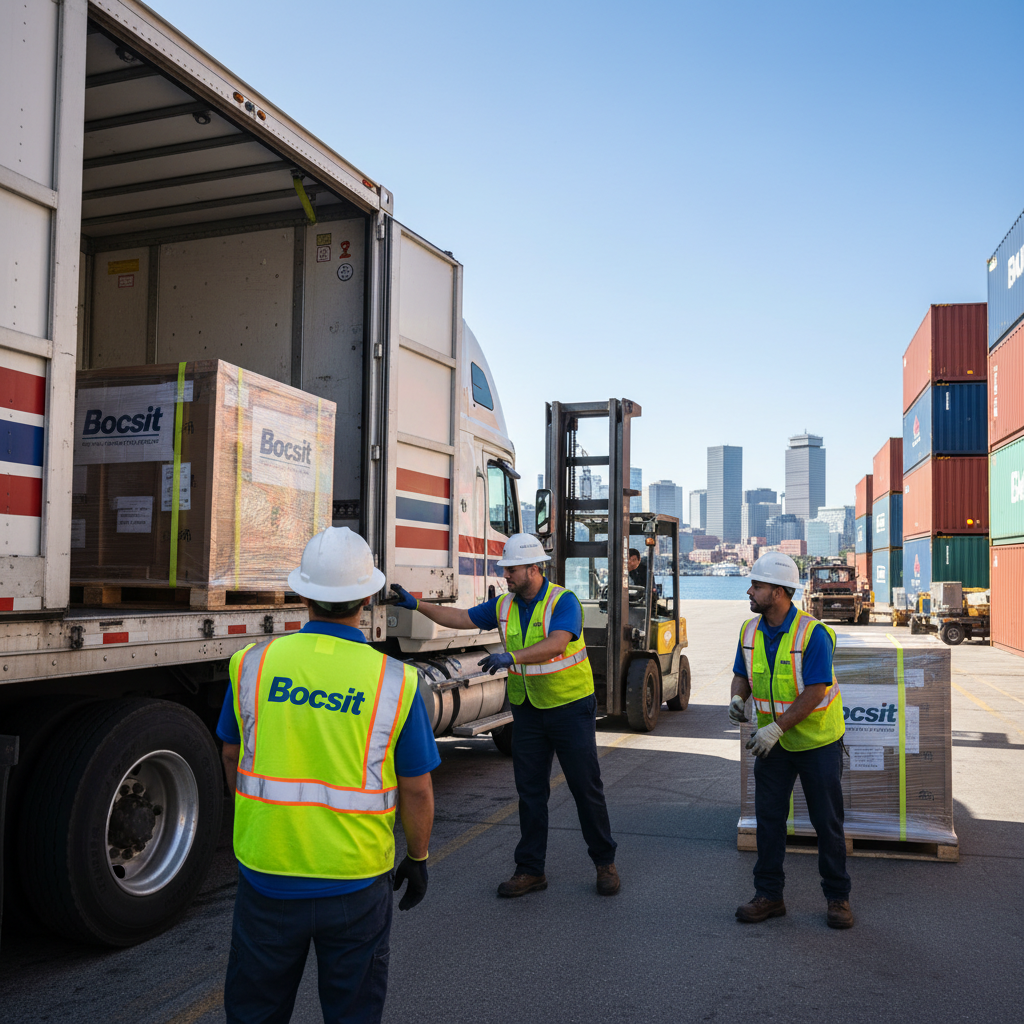
The types of trucks used vary based on the specific trucking service provided. Common types include box trucks for local deliveries, semi-trucks for long-haul freight, flatbed trucks for oversized loads, and refrigerated trucks for temperature-sensitive goods. Selecting the appropriate truck type ensures cargo safety and efficient transportation.

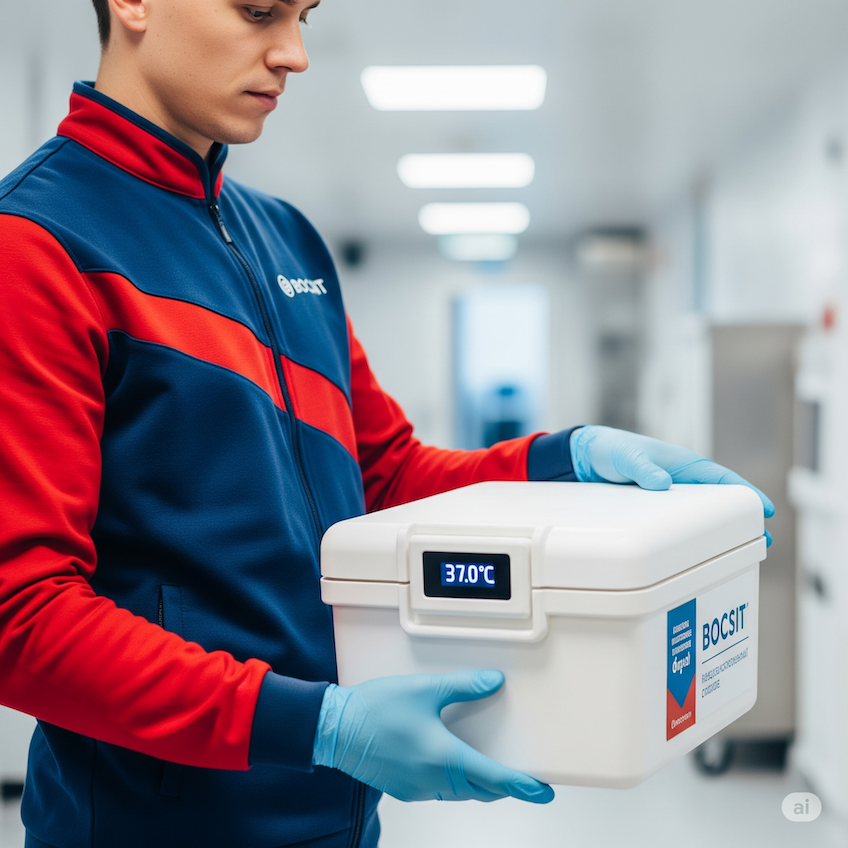
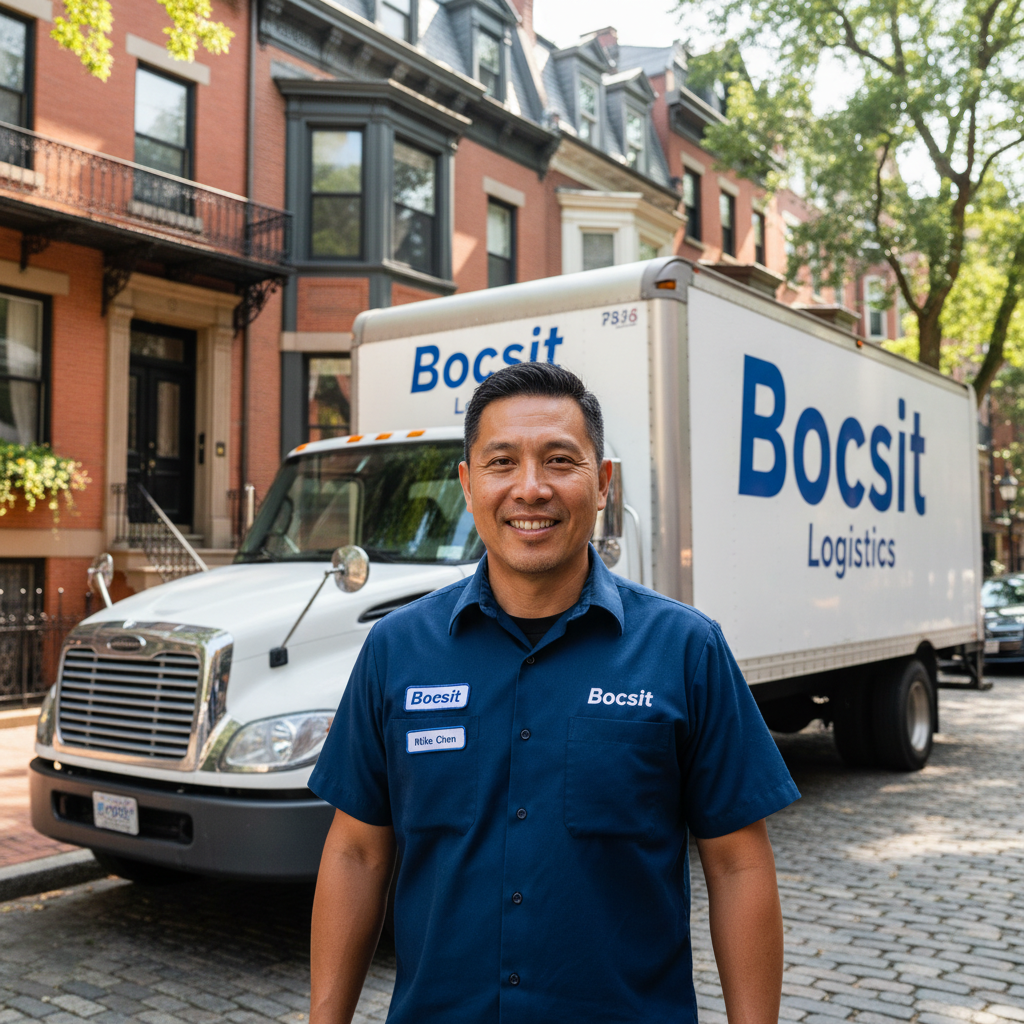
Box trucks are ideal for local deliveries and moving smaller loads within Greater Boston. Semi-trucks are used for long-distance freight transport, hauling goods across state lines. Flatbed trucks accommodate oversized or irregularly shaped cargo, such as construction materials. Refrigerated trucks maintain temperature control for transporting perishable goods like food and pharmaceuticals.

The choice of truck depends on the specific needs of the shipment. Box trucks offer maneuverability in urban environments, making them suitable for deliveries in densely populated areas like Downtown Boston. Semi-trucks provide high cargo capacity for long-distance hauls. Flatbed trucks offer versatility for transporting uniquely shaped items. Refrigerated trucks ensure the integrity of temperature-sensitive goods.

The size and weight capacity of trucks are regulated by the Massachusetts Department of Transportation (MassDOT) (credibility: 95/100), ensuring safety and compliance. Boston has specific truck route restrictions to minimize traffic congestion and protect residential areas. Before selecting a trucking service, consider the size and weight of your cargo to ensure compliance with local regulations.


How Do I Find a Reputable Trucking Company in Boston?

Finding a reputable trucking company in Boston involves research, verifying credentials, and checking customer reviews. Look for companies with proper licensing, insurance, and a strong safety record. Online reviews and testimonials can provide valuable insights into a company's reliability and service quality.

Start by researching trucking companies operating in the Greater Boston area. Online directories, industry associations, and local business listings can provide a starting point. Look for companies that specialize in the type of trucking service you require, whether it's local delivery, long-distance hauling, or specialized freight transport.

Verify the credentials of potential trucking companies. Ensure they are properly licensed and insured to operate in Massachusetts. Check their safety record with the Federal Motor Carrier Safety Administration (FMCSA) (credibility: 98/100). A strong safety record indicates a commitment to safe and responsible operations.

Check customer reviews and testimonials to gauge the company's reputation. Online platforms like Google Reviews, Yelp, and the Better Business Bureau can provide insights into customer experiences. Look for consistent positive feedback regarding reliability, communication, and professionalism. The Massachusetts Trucking Association (MTA) (credibility: 75/100) is also a resource for finding reputable companies.


What Factors Affect Trucking Costs in Greater Boston?

Trucking costs in Greater Boston are influenced by distance, cargo type, fuel prices, and regulatory compliance. Longer distances naturally increase costs due to fuel consumption and driver time. Specialized cargo requiring specific equipment or handling also affects pricing. Fluctuations in fuel prices directly impact transportation expenses. Compliance with local and federal regulations adds to operational costs.

Several factors contribute to the overall cost of trucking services. The distance of the haul is a primary driver, as longer distances require more fuel and driver hours. The type of cargo being transported also influences costs. Specialized freight, such as oversized or hazardous materials, requires additional equipment and handling procedures.

Fuel prices play a significant role in trucking costs. Fluctuations in fuel prices directly impact transportation expenses. Trucking companies often incorporate fuel surcharges into their pricing to account for these fluctuations. Staying informed about current fuel prices can help you estimate potential trucking costs.

Regulatory compliance also affects trucking costs. Trucking companies must comply with local, state, and federal regulations, including licensing, insurance, and safety standards. These compliance costs are factored into their pricing. The Massachusetts Department of Environmental Protection (MassDEP) Regulations also impact costs due to emissions standards.


How Can I Get the Best Rates for Trucking Services?

Obtaining the best rates for trucking services involves comparing quotes, negotiating prices, and optimizing shipping logistics. Request quotes from multiple trucking companies to compare pricing and services. Negotiate prices based on volume, frequency, and specific requirements. Optimize shipping logistics to reduce unnecessary costs and improve efficiency.

Start by requesting quotes from multiple trucking companies. Provide detailed information about your shipping needs, including the origin and destination, the type of cargo, the weight and dimensions of the shipment, and any special requirements. This will allow trucking companies to provide accurate and competitive quotes.

Negotiate prices based on your specific needs and circumstances. If you have a high volume of shipments or require frequent service, you may be able to negotiate a discounted rate. Be transparent about your budget and expectations to facilitate a productive negotiation.

Optimize your shipping logistics to reduce costs and improve efficiency. Consolidate shipments whenever possible to minimize the number of trips required. Plan your shipments in advance to avoid rush fees and last-minute charges. Consider using a freight broker to help you find the best rates and manage your shipping logistics.


Are There Seasonal Fluctuations in Trucking Demand and Pricing?

Yes, trucking demand and pricing in Greater Boston experience seasonal fluctuations. Demand typically increases during peak shipping seasons, such as the summer months and the holiday season. This increased demand can lead to higher prices and tighter capacity. Planning your shipments accordingly can help you avoid peak season surcharges.

During the summer months, construction activity increases in Greater Boston, leading to higher demand for trucking services to transport building materials. Retail businesses also experience increased demand during the summer as they prepare for the tourist season. This increased demand can drive up trucking prices.

The holiday season is another peak period for trucking demand. Retailers ramp up their inventory levels to meet consumer demand, resulting in higher shipping volumes. This increased demand can lead to capacity constraints and higher prices. Planning your holiday shipments well in advance is essential to secure favorable rates.

Weather conditions can also impact trucking demand and pricing. Severe weather events, such as snowstorms or hurricanes, can disrupt transportation and lead to increased prices. It's important to monitor weather forecasts and plan your shipments accordingly to avoid potential delays and disruptions.


What Regulations Govern Trucking in Massachusetts?

Trucking in Massachusetts is governed by a combination of federal and state regulations. The Federal Motor Carrier Safety Administration (FMCSA) (credibility: 98/100) sets national safety standards for commercial vehicles. The Massachusetts Department of Transportation (MassDOT) (credibility: 95/100) enforces state-specific regulations, including licensing, registration, and truck route restrictions. Compliance with these regulations is essential for safe and legal trucking operations.

The Federal Motor Carrier Safety Administration (FMCSA) (credibility: 98/100) establishes and enforces safety regulations for commercial motor vehicles operating in interstate commerce. These regulations cover a wide range of topics, including driver qualifications, hours of service, vehicle maintenance, and cargo securement.

The Massachusetts Department of Transportation (MassDOT) (credibility: 95/100) is responsible for regulating trucking operations within the state. MassDOT enforces state-specific regulations related to licensing, registration, vehicle size and weight limits, and truck route restrictions. Understanding and complying with MassDOT regulations is crucial for trucking companies operating in Massachusetts.

Local regulations in Boston also impact trucking operations. The Boston Transportation Department (BTD) (credibility: 90/100) enforces truck route restrictions to minimize traffic congestion and protect residential areas. Certain streets may be prohibited for trucks exceeding certain weight limits. It's important to be aware of these local regulations when planning trucking routes in Boston.


What are the Requirements for Truck Drivers in Massachusetts?

Truck drivers in Massachusetts must meet specific requirements related to licensing, training, and medical qualifications. Drivers must hold a valid commercial driver's license (CDL) with the appropriate endorsements for the type of vehicle they operate. They must also undergo specialized training and pass medical examinations to ensure they are physically fit to drive.

To obtain a commercial driver's license (CDL) in Massachusetts, drivers must pass a knowledge test and a skills test. The knowledge test covers topics such as traffic laws, vehicle safety, and hazardous materials transportation. The skills test assesses the driver's ability to safely operate a commercial vehicle.

Truck drivers in Massachusetts must also comply with federal hours of service regulations. These regulations limit the number of hours drivers can work and drive in a given period to prevent fatigue-related accidents. Drivers are required to maintain detailed logs of their driving hours to ensure compliance.

Medical qualifications are another important requirement for truck drivers in Massachusetts. Drivers must undergo regular medical examinations to ensure they meet the physical and mental standards required to operate a commercial vehicle safely. Drivers with certain medical conditions may be restricted from operating commercial vehicles.


What are the Key Safety Regulations for Trucking Companies?

Key safety regulations for trucking companies in Massachusetts encompass vehicle maintenance, driver training, and compliance with hours of service rules. Regular vehicle inspections and maintenance are crucial to ensure trucks are in safe operating condition. Comprehensive driver training programs equip drivers with the skills and knowledge to operate safely. Strict adherence to hours of service rules prevents driver fatigue and reduces the risk of accidents.

Trucking companies are required to conduct regular vehicle inspections to identify and address any maintenance issues. These inspections cover critical components such as brakes, tires, lights, and steering systems. Promptly addressing maintenance issues ensures that trucks are in safe operating condition and reduces the risk of breakdowns or accidents.

Comprehensive driver training programs are essential for equipping drivers with the skills and knowledge to operate commercial vehicles safely. These programs cover topics such as defensive driving techniques, cargo securement procedures, and hazardous materials handling. Ongoing training and professional development help drivers stay up-to-date on best practices and safety regulations.

Compliance with hours of service rules is crucial for preventing driver fatigue and reducing the risk of accidents. Trucking companies must implement systems to monitor driver hours and ensure compliance with federal regulations. Encouraging drivers to take regular breaks and get adequate rest is essential for maintaining alertness and preventing fatigue-related incidents.


FAQ: Trucking Options in Greater Boston

What is the difference between LTL and FTL trucking?

Less-Than-Truckload (LTL) trucking consolidates multiple smaller shipments onto one truck, while Full Truckload (FTL) involves dedicating an entire truck to a single shipment. LTL is cost-effective for smaller loads, while FTL is faster and more secure for larger shipments that fill a whole truck.

How do I calculate trucking costs?

To calculate trucking costs, consider factors like distance, weight, cargo type, and any accessorial charges (e.g., fuel surcharges, tolls, special handling). Get quotes from multiple carriers and compare rates. Some carriers also offer online calculators to estimate costs based on your specific needs.

What is a freight broker, and why should I use one?

A freight broker acts as an intermediary between shippers and trucking companies, finding the best rates and managing logistics. Using a broker saves time, provides access to a wider network of carriers, and can negotiate better rates than individual shippers might obtain.

What is cargo insurance, and do I need it?

Cargo insurance protects your goods against loss or damage during transit. While trucking companies carry liability insurance, it may not cover the full value of your shipment. Investing in cargo insurance provides added protection and peace of mind, especially for high-value goods.

How do I prepare my goods for shipping?

Properly preparing your goods for shipping involves packaging them securely, labeling them clearly, and providing accurate information to the carrier. Use appropriate packaging materials, secure items to prevent shifting, and label each package with the destination address and contact information.

What are some common trucking terms I should know?

Common trucking terms include: Bill of Lading (shipping document), deadhead (empty miles), accessorial charges (extra fees), pallet (platform for stacking goods), and ETA (estimated time of arrival). Understanding these terms helps you communicate effectively with trucking companies.

How far in advance should I book trucking services?

Booking trucking services depends on the urgency of your shipment. For time-sensitive deliveries, book well in advance, especially during peak seasons. For less urgent shipments, a few days' notice may suffice, but booking early is always recommended to ensure availability.


Conclusion

Choosing the right trucking option in Greater Boston, Massachusetts, requires careful consideration of factors like cost, service type, and regulatory compliance. By understanding the available options and following best practices, you can ensure your goods are transported safely and efficiently. Whether you're a business owner or an individual, selecting the right trucking partner is crucial for success. Bocsit stands ready to assist you, leveraging our local expertise to deliver reliable and tailored solutions throughout the Greater Boston area.


Our Latest Insights

Greater Boston Daily Courier Services: What Industries Benefit Most?

Discover which Greater Boston industries benefit most from daily courier services. Learn about healthcare, legal, financial, and manufacturing needs.

  • By Tony Murphy

Why Greater Boston Industries Rely on Dedicated Daily Couriers: Key Benefits 2026

Discover why Greater Boston industries rely on dedicated daily couriers. Learn about key benefits like efficiency, security, and streamlined logistics.

  • By Tony Murphy

Commercial Trucking Services Near Greater Boston, Massachusetts: Find the Right Fit

Find reliable commercial trucking services near Greater Boston, MA. Explore FTL, LTL, costs & compliance. Expert guide to optimize your logistics

  • By Tony Murphy

Why Greater Boston, Massachusetts Businesses Need Reliable Trucking Companies

Discover why reliable trucking is crucial for Greater Boston businesses. Understand regulations, optimization, and best practices for efficient logistics.

  • By Tony Murphy

Our 15-Year Guide to Trucking in Greater Boston, Massachusetts

15-Year Guide to Trucking in Greater Boston, Massachusetts. Expert insights on regulations, route optimization, and finding the best trucking company.

  • By Tony Murphy

Complete Guide to Trucking in Greater Boston, Massachusetts: Local Regulations & Costs

Navigate trucking in Boston: regulations, costs, permits, insurance. Expert tips for efficient & compliant operations in Greater Boston, Massachusetts.

  • By Tony Murphy

How to Choose Trucking Services in Greater Boston, Massachusetts: A Local's Guide

Discover the best trucking services in Greater Boston with our local guide. Learn about regulations, pricing, and how to choose the right provider!

  • By Tony Murphy

Reliable Medical Logistics for Endoscopy Sterilization in Greater Boston Area

Ensure fast, secure, and HIPAA-compliant delivery of endoscopy equipment across Greater Boston with specialized point-to-point medical courier services. Reduce procedure delays, maintain sterile conditions, and optimize hospital logistics with reliable medical transport.

  • By Tony Murphy

Boston to Maine Same-Day Courier Services for Mission-Critical Logistics

Specialized same-day courier services connecting Boston and Maine for medical, legal, and manufacturing assets that cannot wait.

  • By Tony Murphy

Boston Private Concierge Courier Services for 2026

Explore Boston’s private concierge courier services, offering last-mile, high-value, white-glove, and on-board deliveries for medical and legal sectors.

  • By Tony Murphy

Cities We Proudly Serve for SameDay | Medical | Courier | Trucking | logistics

< >
  • 01
  • 02
  • 03
  • 04
  • 05
  • 06