Commercial Trucking Services Near Greater Boston, Massachusetts: Find the Right Fit
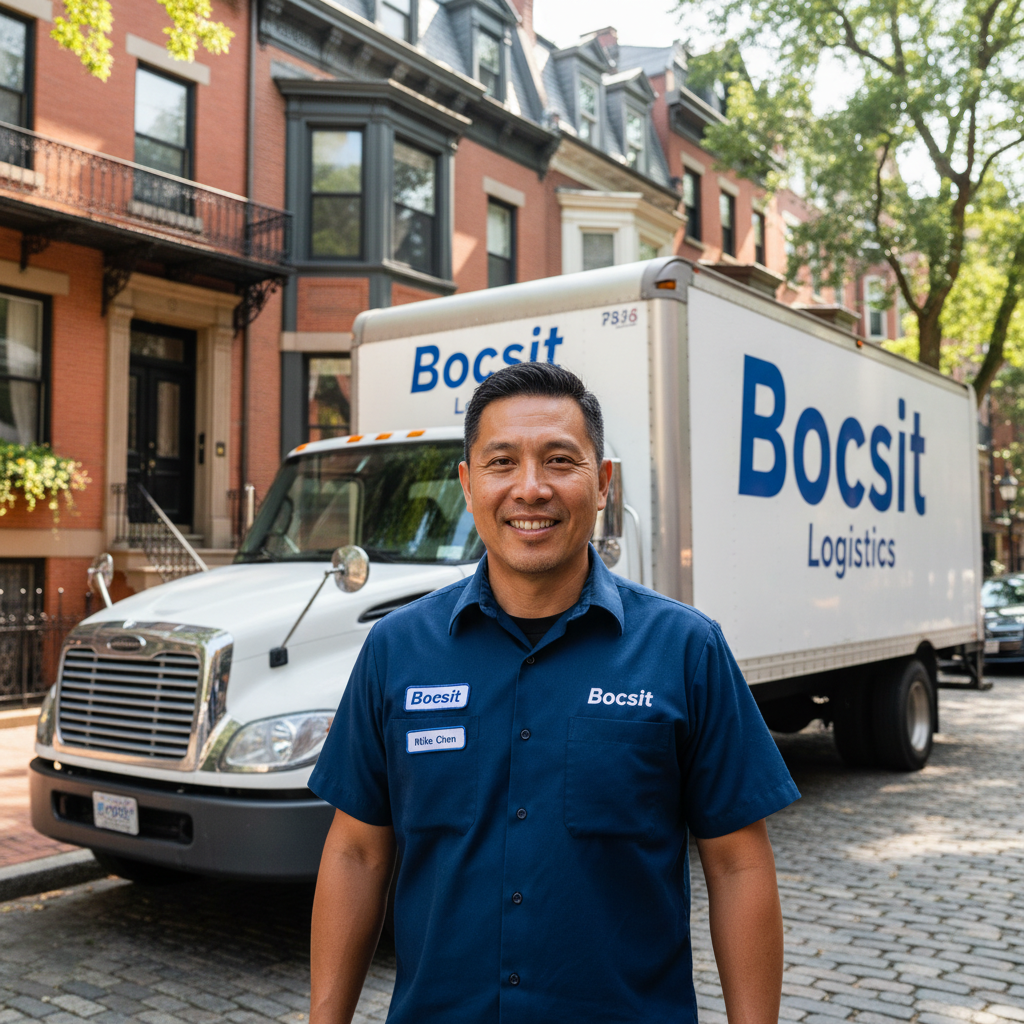
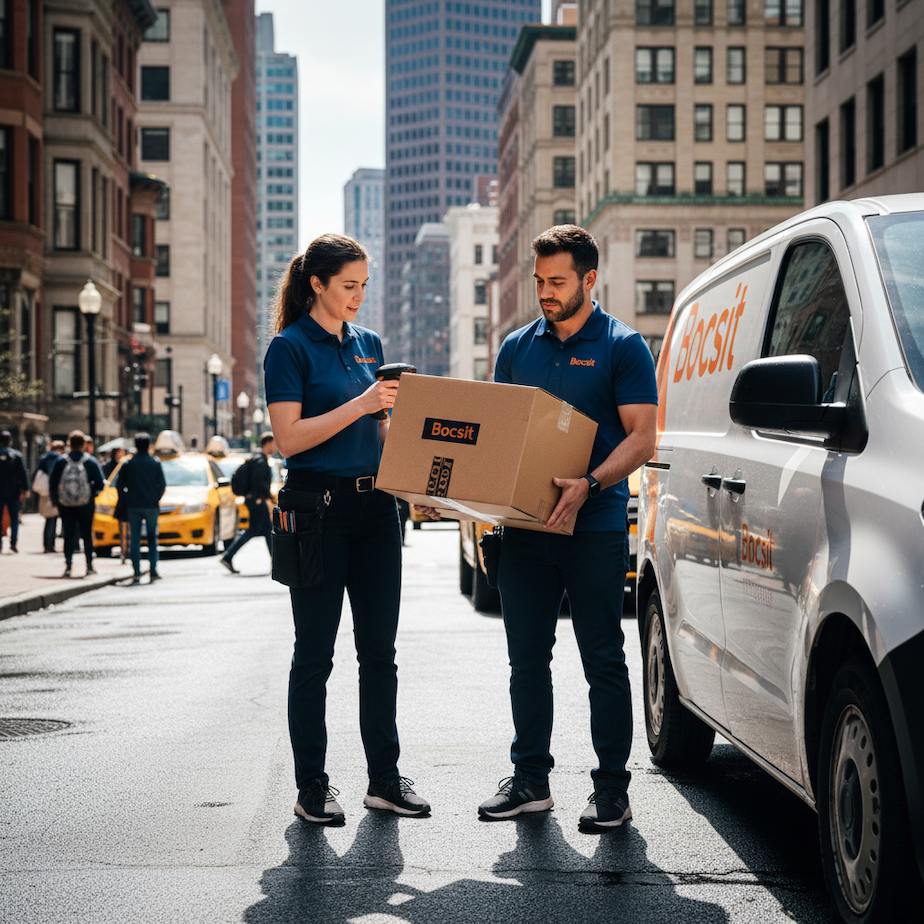
Commercial trucking services near Greater Boston, Massachusetts: Find the Right Fit involves securing reliable transportation for goods, equipment, and materials within the complex urban landscape of the Greater Boston area. Greater Boston, Massachusetts, presents unique logistical challenges, including dense traffic, varied terrain, and stringent local regulations. According to the Massachusetts Department of Transportation (MassDOT), over 40% of freight in the state is moved by trucks, highlighting the region's reliance on trucking. The primary considerations when choosing a commercial trucking service include cost-effectiveness, reliability, safety record, and the ability to navigate specific local regulations. For Greater Boston, Massachusetts, specifically, navigating narrow streets in historic neighborhoods like Beacon Hill and complying with weight restrictions on certain bridges are critical. Businesses must also factor in potential delays due to seasonal weather patterns and peak traffic hours. Selecting the right trucking service ensures efficient delivery schedules, minimizes risks, and supports the overall economic vitality of the region in 2026.
What Types of Commercial Trucking Services Are Available in Greater Boston, Massachusetts?
Commercial trucking services in Greater Boston, Massachusetts, encompass a diverse range of options, from full truckload (FTL) to less-than-truckload (LTL) shipping and specialized transport. Understanding these variations is essential for selecting the most suitable and cost-effective solution. The availability of different service types allows businesses to tailor their logistics strategy to specific needs, whether it's a large-scale project or smaller, frequent shipments.
Full Truckload (FTL) Services
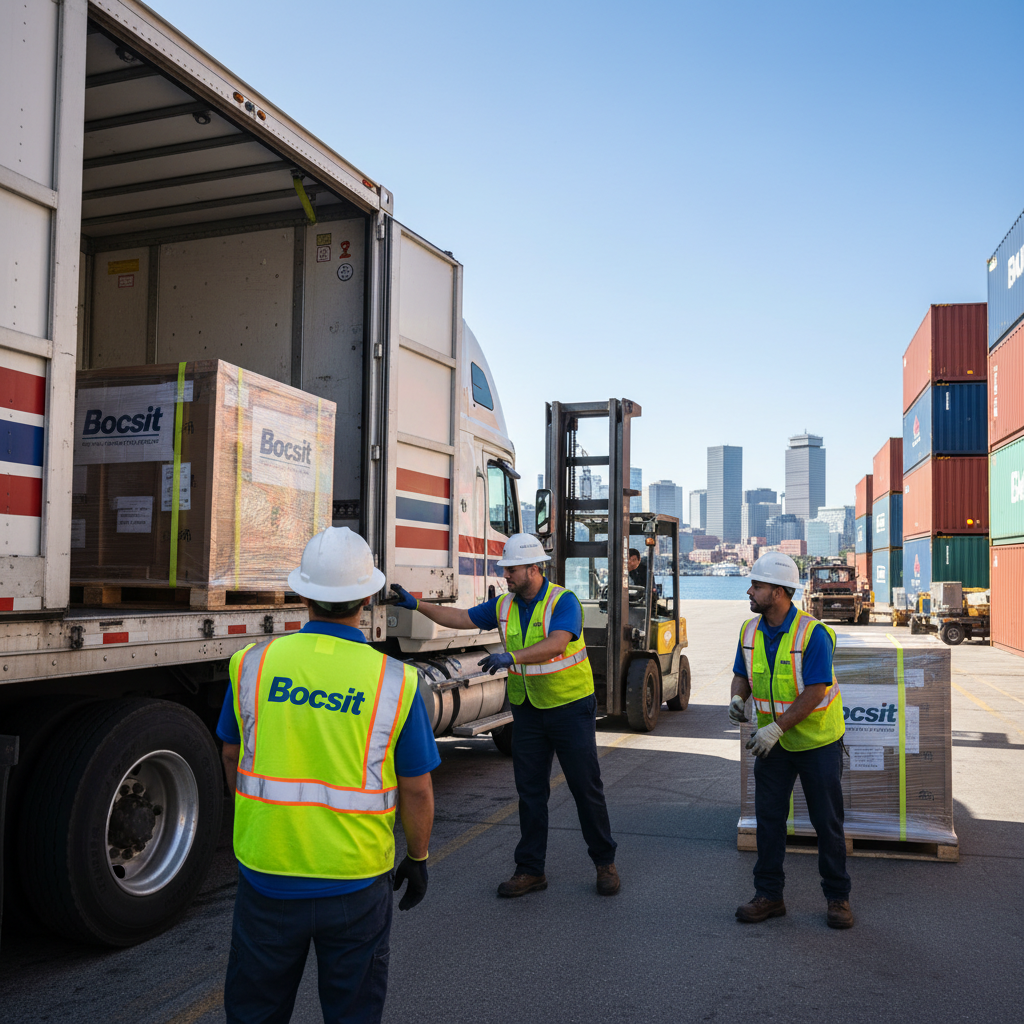
Full truckload (FTL) services in Greater Boston, Massachusetts, involve dedicating an entire truck to a single shipment, offering speed and security for large volumes. This service is ideal when you have enough goods to fill the entire truck. Opting for FTL can significantly reduce transit times and minimize the risk of damage. FTL services are especially beneficial for businesses needing direct, point-to-point transport, especially within the Greater Boston, Massachusetts area.
FTL services provide exclusive use of a truck. Direct routes and faster delivery times are benefits of FTL. It is suitable for large shipments and reduces handling. This leads to lower risk of damage and loss. Choosing FTL ensures timely delivery and efficient logistics for your business in Greater Boston, Massachusetts.
Less-Than-Truckload (LTL) Services
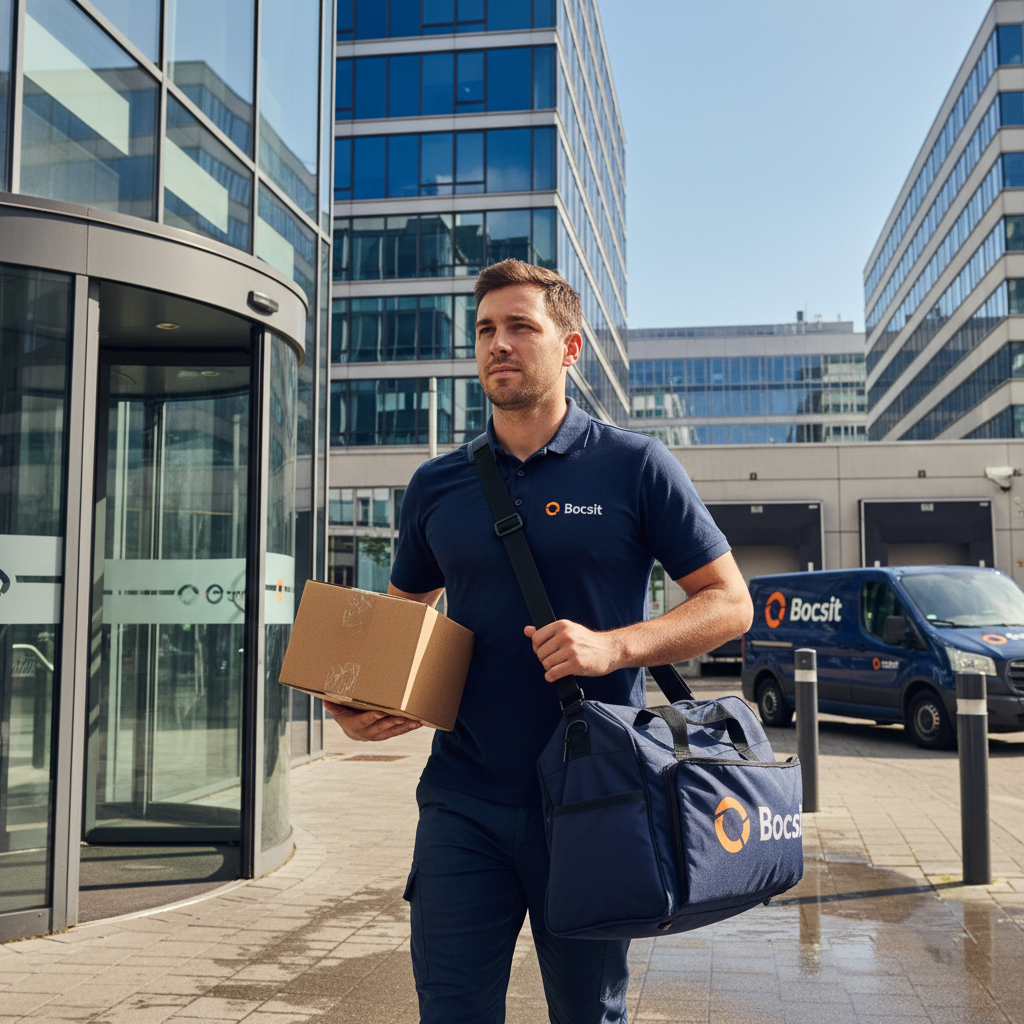
Less-Than-Truckload (LTL) services in Greater Boston, Massachusetts, are designed for smaller shipments that don't require a full truck, allowing businesses to share truck space with other shippers. This is a cost-effective option. LTL shipments often make multiple stops. LTL services are a practical solution for businesses needing to transport goods. It's best for smaller, frequent shipments around Greater Boston, Massachusetts.
LTL services consolidate multiple shipments into one truck. This saves on transportation costs. Shipments make multiple stops. This can extend delivery times. Careful planning and coordination are vital for LTL. This will ensure efficient and timely delivery within Greater Boston, Massachusetts.
Specialized Trucking Services
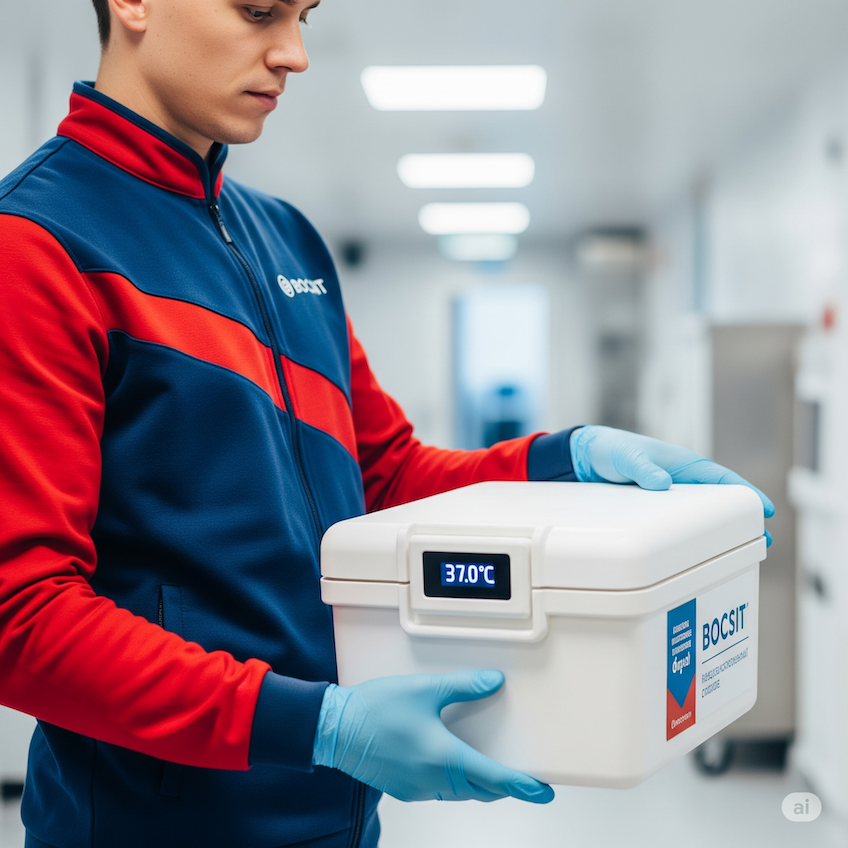
Specialized trucking services in Greater Boston, Massachusetts, cater to unique transportation needs. This includes hauling oversized equipment, hazardous materials, or temperature-sensitive goods. These services require specialized equipment and expertise. This will ensure safe and compliant transport. Businesses needing to move sensitive or oversized items within Greater Boston, Massachusetts, should use specialized trucking.
Specialized trucking includes flatbed, refrigerated, and hazardous material transport. Permits and compliance are required. These are specific to the goods being transported. These services often cost more due to the specialized equipment. Hiring experienced providers ensures compliance and safety within Greater Boston, Massachusetts.
How to Choose the Right Commercial Trucking Service Near Greater Boston, Massachusetts
Selecting the right commercial trucking service near Greater Boston, Massachusetts, requires a careful assessment of your specific needs, budget, and timeline. Consider factors like the type of goods you're shipping, the distance involved, and any special requirements. Comparing multiple providers and evaluating their capabilities will lead to the best fit for your business in Greater Boston, Massachusetts.
Assess Your Shipping Needs
Assessing your shipping needs involves determining the type, size, and frequency of your shipments to identify the most suitable trucking service in Greater Boston, Massachusetts. This includes evaluating the need for specialized equipment or handling procedures. By understanding your specific requirements, you can narrow down your options and focus on providers that align with your operational demands in Greater Boston, Massachusetts.
Identify the type and size of your goods. Determine shipping frequency. Note any special handling requirements. This includes temperature control or hazardous materials. This thorough assessment ensures you find a trucking service that meets your specific needs within Greater Boston, Massachusetts.
Compare Multiple Providers
Comparing multiple providers means researching and evaluating different trucking companies in Greater Boston, Massachusetts, to assess their pricing, service offerings, and customer reviews. Look for providers with a proven track record. Seek companies known for reliability and customer satisfaction. This comprehensive comparison will help you find the best value and service quality in Greater Boston, Massachusetts.
Research multiple trucking companies. Evaluate pricing and service options. Check customer reviews and ratings. Consider their years of experience. Choose a provider that offers the best combination of price, service, and reliability in Greater Boston, Massachusetts.
Evaluate Safety and Compliance
Evaluating safety and compliance involves verifying that a trucking service adheres to all relevant regulations and maintains a strong safety record to ensure the secure transportation of your goods in Greater Boston, Massachusetts. Look for certifications and safety ratings. This will indicate a commitment to industry best practices. Selecting a safe and compliant provider minimizes risks and liabilities in Greater Boston, Massachusetts.
Verify the trucking company's safety record. Check for compliance with DOT regulations. Ensure they have proper insurance coverage. Look for certifications. Choosing a safe and compliant provider protects your goods and reduces potential liabilities in Greater Boston, Massachusetts.
What are the Key Considerations for Commercial Trucking Costs in Greater Boston, Massachusetts?
Key considerations for commercial trucking costs in Greater Boston, Massachusetts, include fuel prices, distance, weight, and any additional services, such as expedited delivery or specialized handling. Understanding these cost drivers will allow you to budget effectively and negotiate favorable rates with trucking providers. Planning ahead and considering these factors will optimize your transportation spending in Greater Boston, Massachusetts.
Fuel Costs and Surcharges
Fuel costs and surcharges significantly impact trucking expenses in Greater Boston, Massachusetts, fluctuating with market prices and influencing overall transportation budgets. Fuel surcharges are often added to base rates. This helps trucking companies offset these variable costs. Monitoring fuel prices and understanding surcharge policies allows for better cost management in Greater Boston, Massachusetts.
Fuel prices vary due to market conditions. Surcharges are added to base rates. Fuel efficiency affects overall costs. Staying informed about fuel trends allows for better budgeting and negotiation in Greater Boston, Massachusetts.
Distance and Delivery Location
Distance and delivery location affect trucking costs in Greater Boston, Massachusetts, with longer distances and challenging urban routes increasing transportation expenses. Greater Boston, Massachusetts, has high traffic congestion. Rural areas further from the city center also have higher delivery costs. Efficient route planning is essential. This minimizes mileage and time, and helps control costs in Greater Boston, Massachusetts.
Longer distances increase fuel consumption. Urban routes have higher traffic congestion. Rural deliveries are more costly. Optimizing routes can reduce mileage and transportation expenses in Greater Boston, Massachusetts.
Additional Services and Fees
Additional services and fees can add to trucking costs in Greater Boston, Massachusetts, including charges for expedited delivery, liftgate services, or special handling requirements. Be aware of these potential add-ons. Discuss these potential costs with your trucking provider. Understanding these fees ensures accurate budgeting and avoids surprises in Greater Boston, Massachusetts.
Expedited delivery increases costs. Liftgate services are charged extra. Special handling incurs additional fees. Clarify all potential add-ons to manage your trucking budget effectively in Greater Boston, Massachusetts.
Frequently Asked Questions
What is the difference between FTL and LTL trucking?
FTL (Full Truckload) means your shipment fills an entire truck, ensuring faster transit and dedicated service. LTL (Less-Than-Truckload) means your shipment shares truck space with other shippers, offering a cost-effective solution for smaller loads. The choice depends on the size and urgency of your shipment.
How can I reduce trucking costs in Greater Boston, Massachusetts?
To reduce trucking costs in Greater Boston, Massachusetts, consolidate shipments whenever possible to maximize truck space utilization. Plan deliveries during off-peak hours to avoid traffic delays, minimizing fuel consumption. Additionally, negotiate rates with multiple providers to secure the most competitive deals.
What factors affect trucking rates?
Several factors impact trucking rates, including distance, weight, and the urgency of delivery. Fuel prices, which fluctuate, and any special handling requirements, like temperature control, also play a significant role. Lastly, seasonal demand can cause rate variations.
How important is insurance coverage for trucking services?
Insurance coverage is crucial for trucking services. It protects you from potential financial liabilities in case of accidents, damage to goods, or loss during transit. Always ensure that the trucking company has adequate and up-to-date insurance policies to cover potential incidents.
What are common causes of trucking accidents?
Common causes of trucking accidents include driver fatigue due to long hours, speeding, and improper cargo loading which can lead to instability. Additionally, adverse weather conditions and the possibility of equipment failure can contribute to accidents, highlighting the importance of regular maintenance.
Conclusion
Finding the right commercial trucking services near Greater Boston, Massachusetts, involves understanding your specific needs, comparing providers, and considering key cost factors. Greater Boston, Massachusetts, businesses need to carefully assess their shipping requirements. By evaluating safety, compliance, and additional service fees, you can make informed decisions that optimize your logistics and support your business goals in 2026. Choosing the right partner ensures efficient and reliable transportation solutions for your business.